Error: Temporarily unavailable
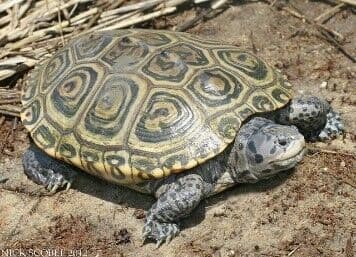
More informationDiamondback terrapin
Malaclemmys terrapin
Natural diet Diamondback terrapin
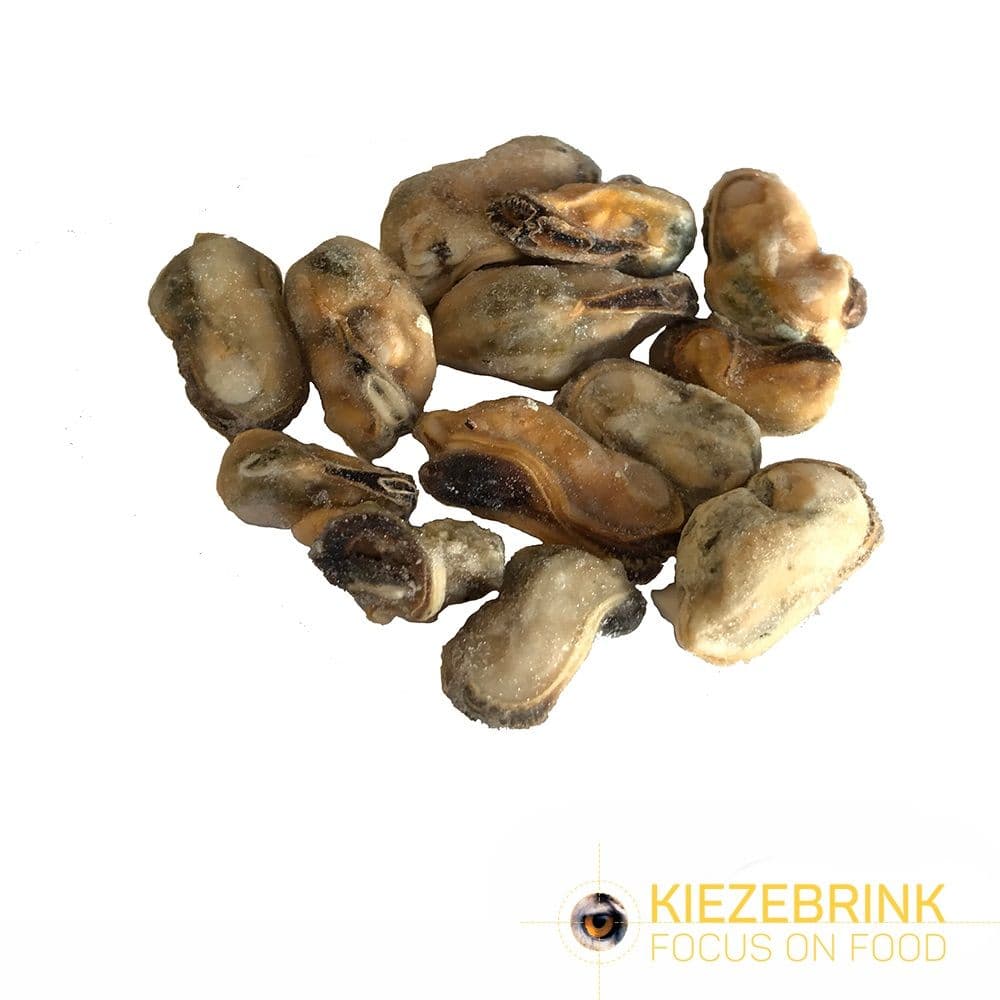
Diamondback terrapins are omnivorous feeders that opportunistically consume a variety of prey items, including small fish, crustaceans and shellfish. Next to this, they consume vegetation such as sea grasses and marsh plants.

Feeding advice Diamondback terrapin
Feed quantity per day
2-5%
Sample percentage calculation
If an animal weighs 0,3 kg and eats 4% of its body weight, it will get
0,3 x 0,04 = 0,01 kg feed in total per day
Feed composition
60% Insects and other invertebrates
10% Concentrates
30% Leafy greens and cabbages
Proportions (fresh product)
0,6 x 0,01 kg = 7 g insects and other invertebrates
0,1 x 0,01 kg = 1 g concentrates
0,3 x 0,01 kg = 4 g leafy greens and cabbages
Feeding advice Diamondback terrapin
Feed quantity per day
2-5%
Sample percentage calculation
If an animal weighs 0,3 kg and eats 4% of its body weight, it will get
0,3 x 0,04 = 0,01 kg feed in total per day
Feed composition
60% Insects and other invertebrates
10% Concentrates
30% Leafy greens and cabbages
Proportions (fresh product)
0,6 x 0,01 kg = 7 g insects and other invertebrates
0,1 x 0,01 kg = 1 g concentrates
0,3 x 0,01 kg = 4 g leafy greens and cabbages
Diet Suggestions
Recommended
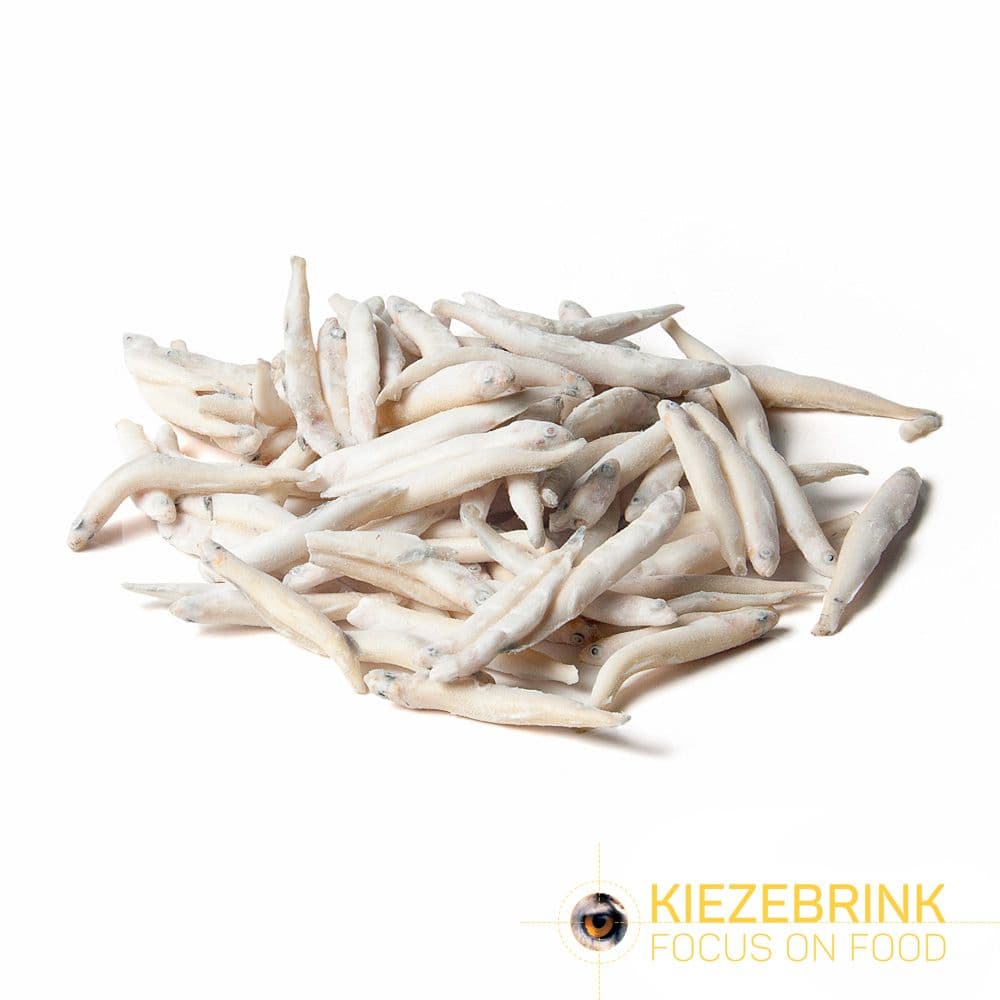
Variety of small fish/ crustaceans
Worms/snails
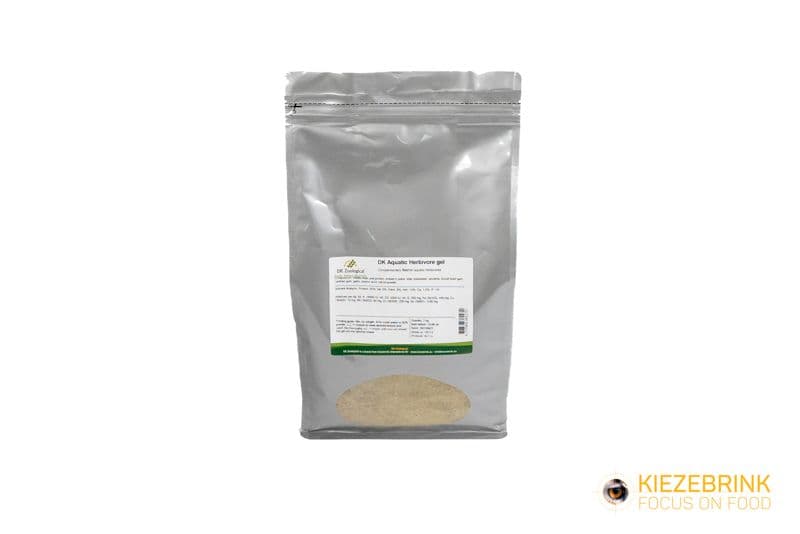
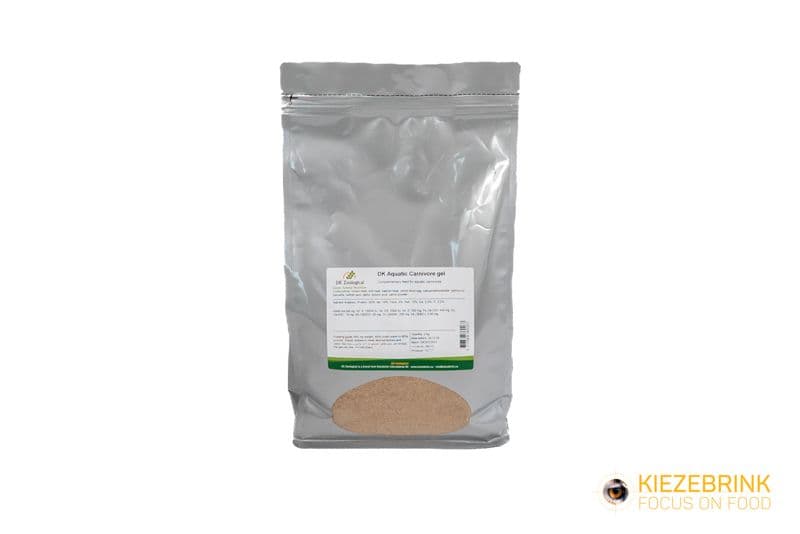
Pellets / gel
Variety of leafy vegetables
Not recommended
Fruits
Common diseases
An unbalanced diet may result in one of these more commonly occurring diseases/conditions:
- Vitamin E deficiency
- Obesity
- Shell deformities
- Fatty liver disease
- Bloating
Additional advice
- Divide the “Feed quantity per day” over one feeding moment per day.
- Although diamondback terrapins live in brackish water, they require fresh water to stay hydrated.
- Place food outside of the water, as their messy eating-style can affect water quality.
- Feeding fruits might lead to might lead to gastro-intestinal disturbances because of the high sugar level and low fiber level in cultivated fruits compared to wild fruits (read more about nutritional values of (wild) fruits and vegetables).
- Provide feed enrichment by placing food on logs and/or rocks (read more about feed enrichment and foraging behaviour).
Diet Suggestions
Recommended
Variety of small fish/ crustaceans
Worms/snails
Pellets / gel
Variety of leafy vegetables
Not recommended
Fruits
Common diseases
An unbalanced diet may result in one of these more commonly occurring diseases/conditions:
- Vitamin E deficiency
- Obesity
- Shell deformities
- Fatty liver disease
- Bloating