DK Meat SupplementDK023
Success: Available from stock
More informationNatural diet Leopard
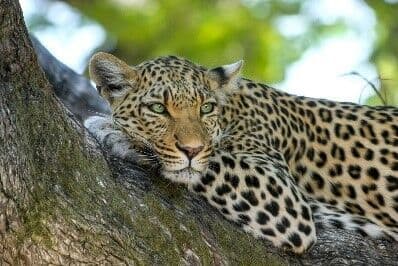
Leopards are opportunistic carnivores. Their natural diet consists of a wide variety of prey animals, including large mammals such as deer, wild pigs, antelopes, monkeys, and smaller mammals such as hares and rodents. They may also eat birds and reptiles, as well as fish and invertebrates. They are known for their ability to take down larger prey with their agility and strength.
3-5%
If an animal weighs 60 kg and eats 5% of its body weight, it will get
60 x 0,05 = 3 kg feed in total per day
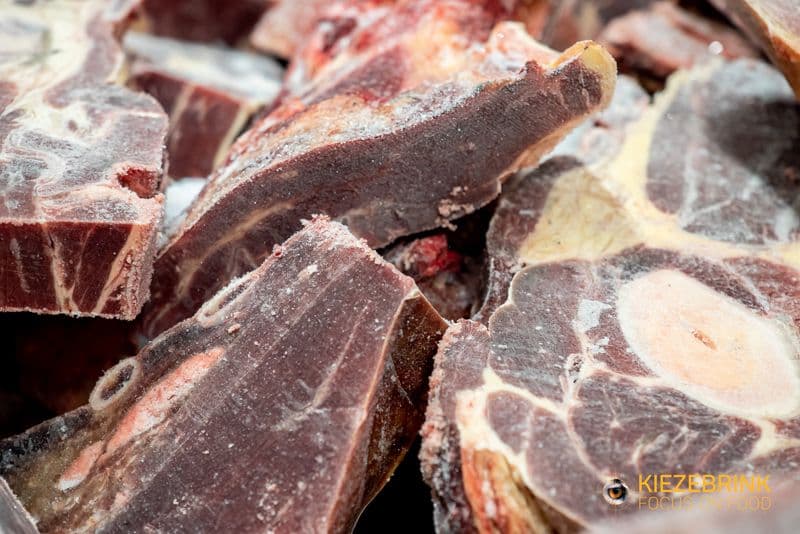
99% Meat and whole prey
1% Supplements
0,99 x 3 kg = 2.970 g meat and whole prey
0,01 x 3 kg = 30 g supplements
3-5%
If an animal weighs 60 kg and eats 5% of its body weight, it will get
60 x 0,05 = 3 kg feed in total per day
99% Meat and whole prey
1% Supplements
0,99 x 3 kg = 2.970 g meat and whole prey
0,01 x 3 kg = 30 g supplements
Variety of prey
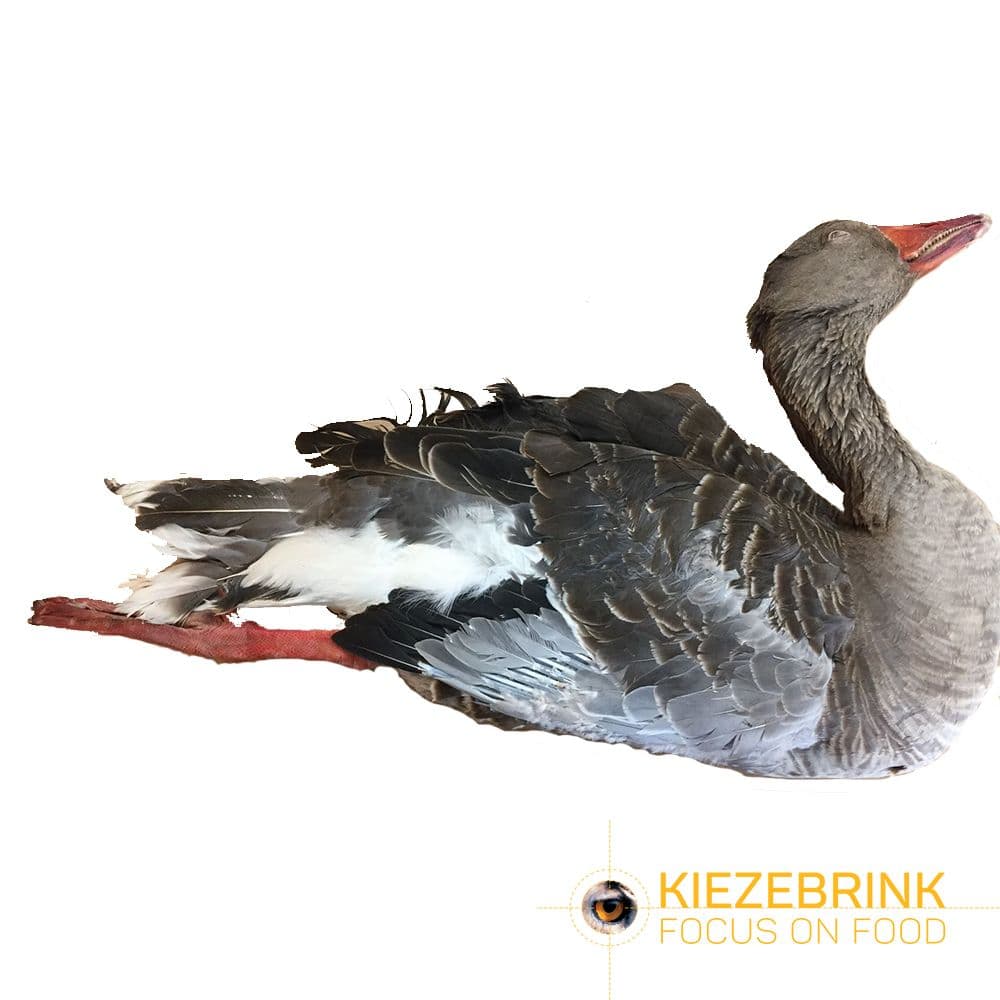
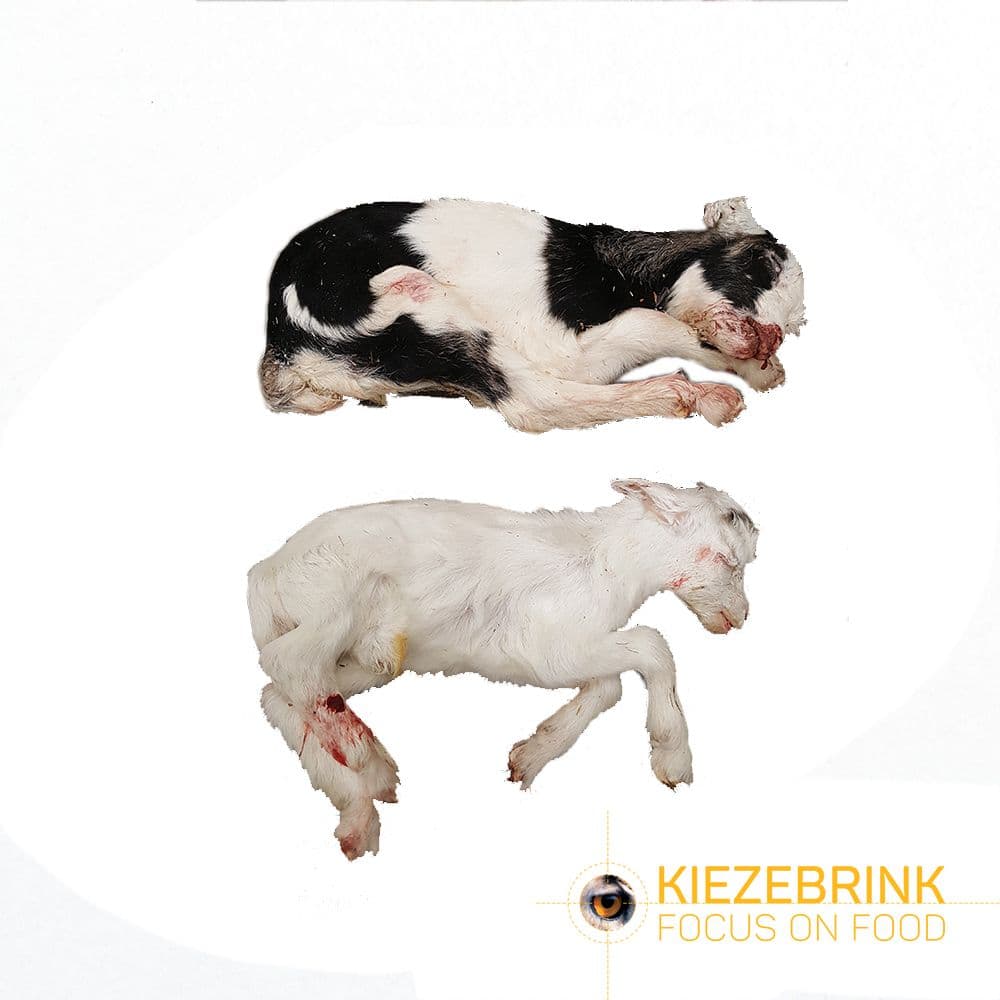
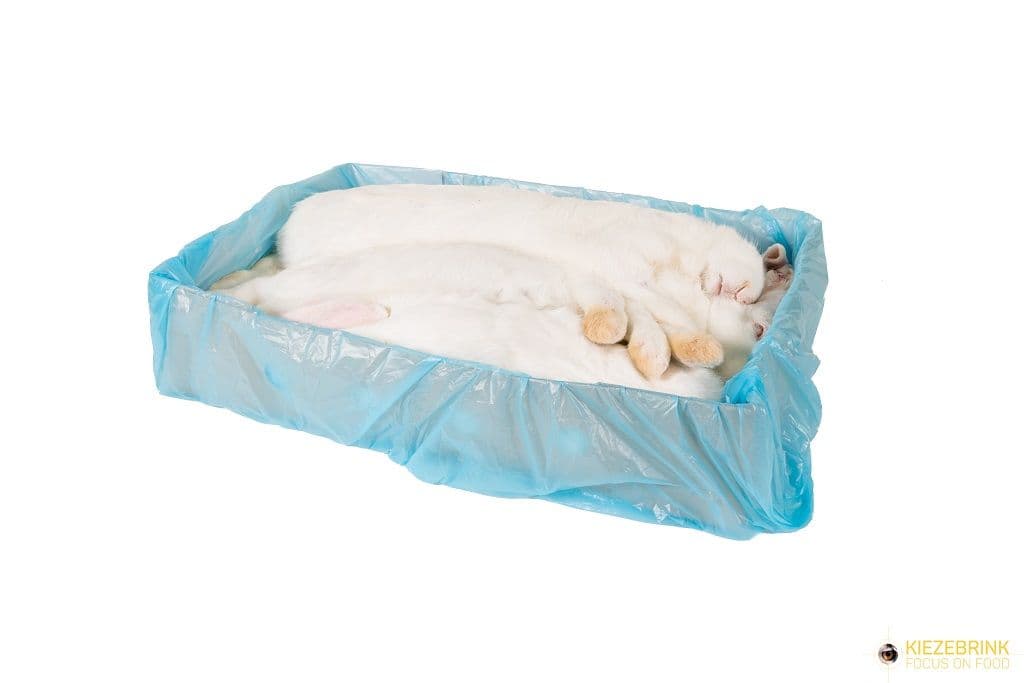
Whole prey
Supplements
An unbalanced diet may result in one of these more commonly occurring diseases/conditions:
Variety of prey
Whole prey
Supplements
An unbalanced diet may result in one of these more commonly occurring diseases/conditions: