Success: Available from stock
More informationStingrays
Myliobatoidei spp.
Natural diet Stingrays
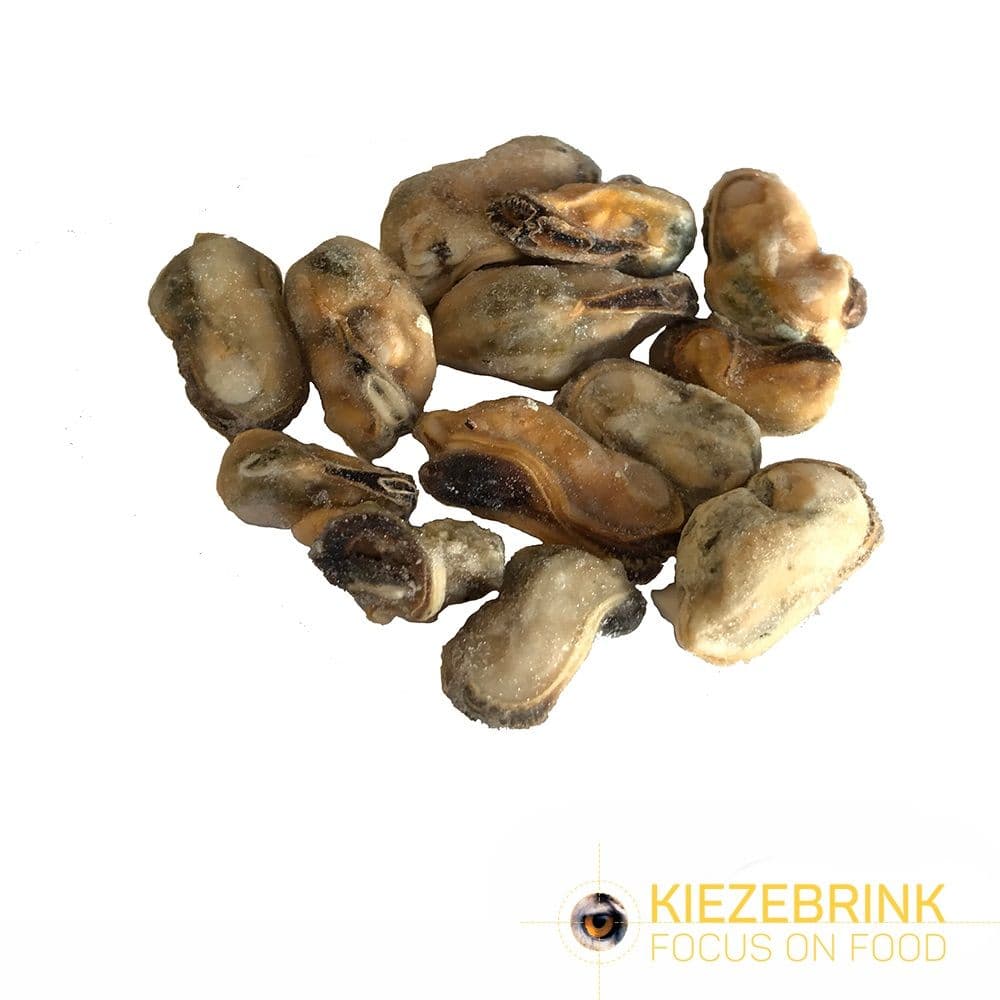
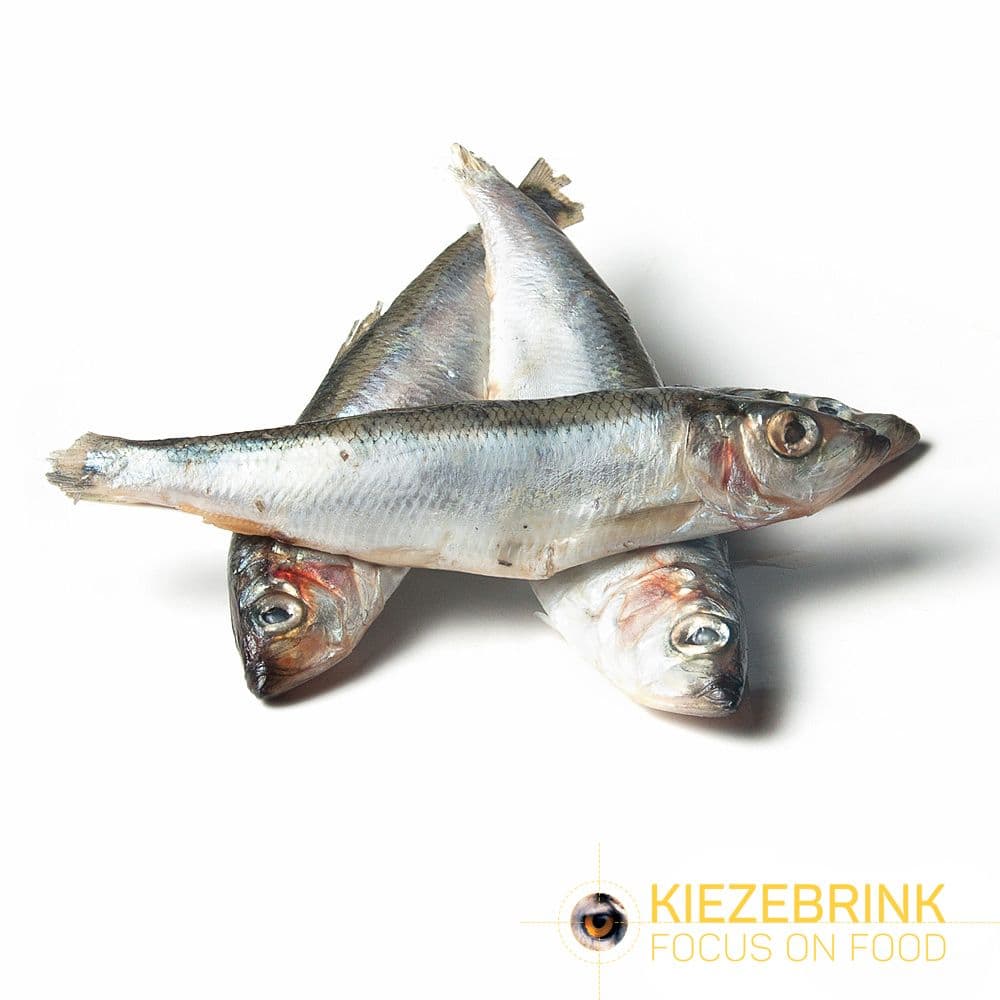
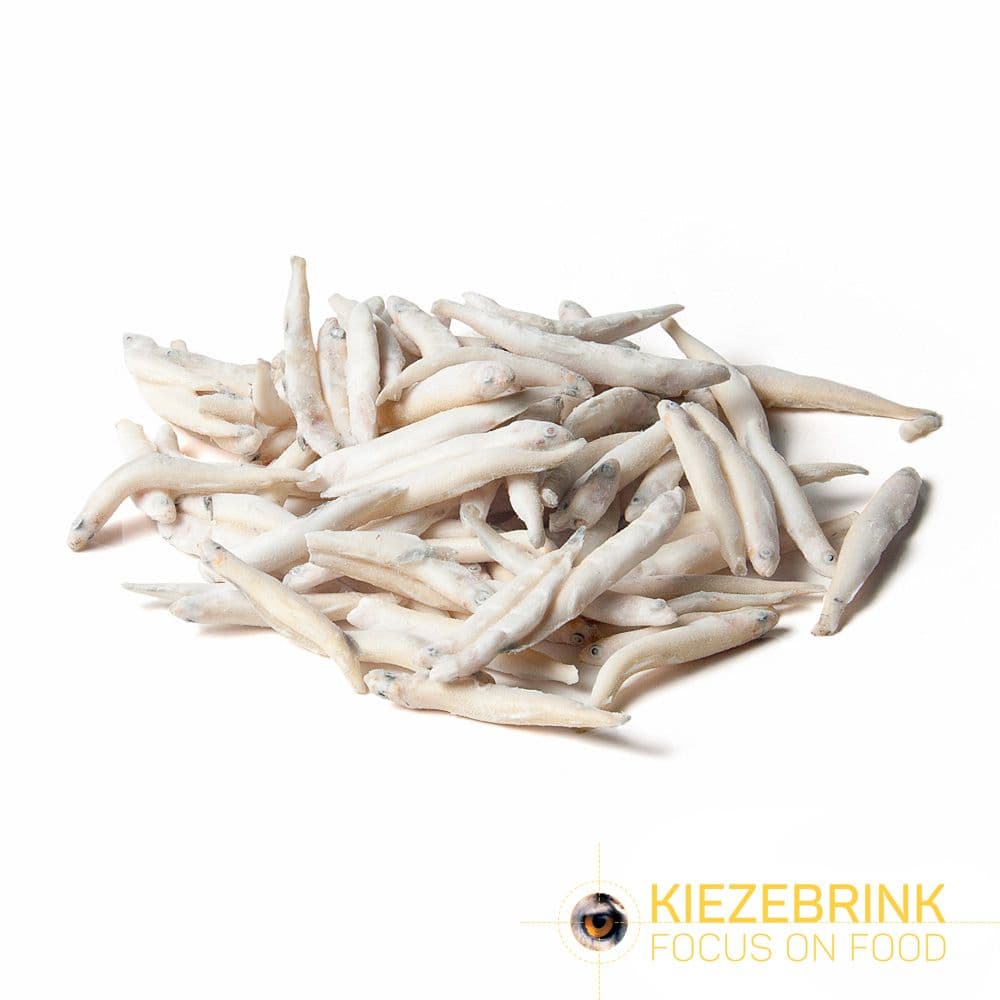
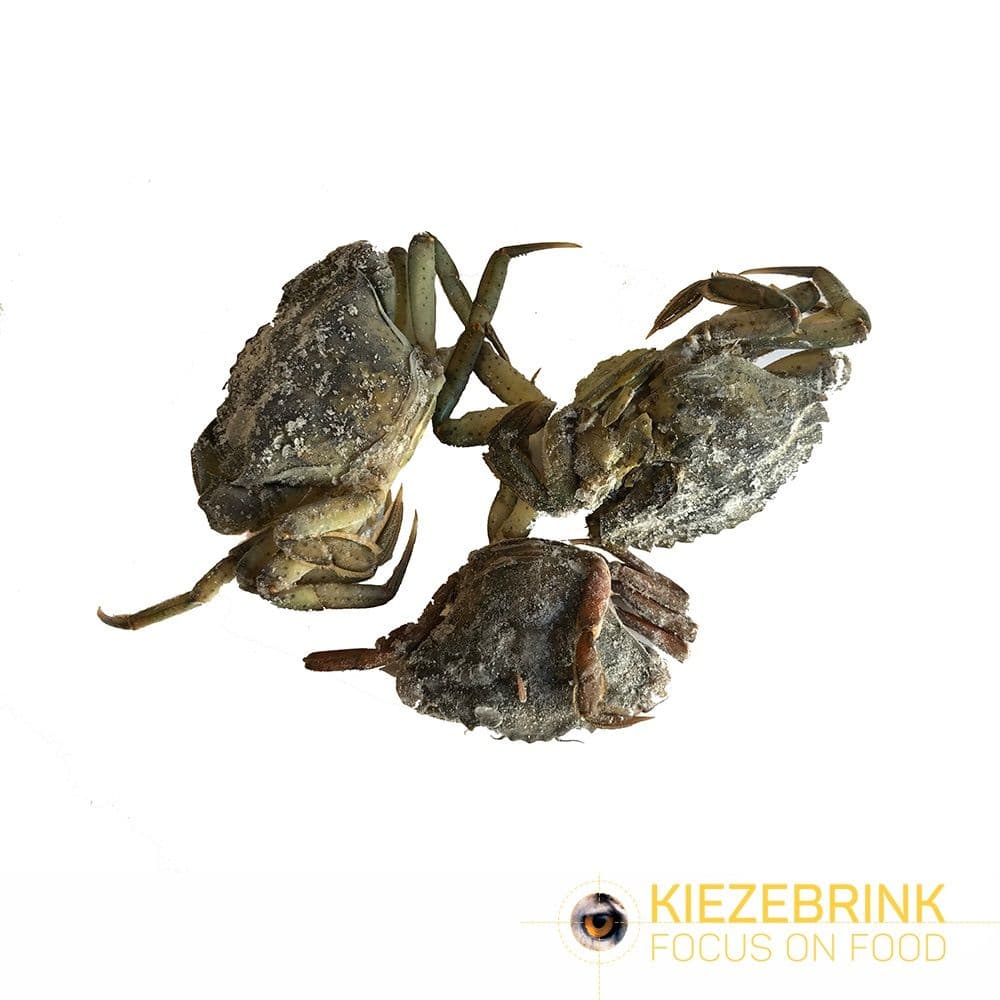
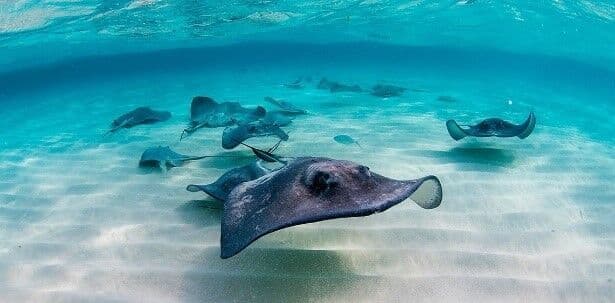
Stingrays are a group of rays that are related to sharks, which have a wide range of opportunistic feeding strategies. Most stingrays feed primarily on mollusks, crustaceans and sometimes small fish. Some stingrays are primarily benthic bottom feeders.

Feeding advice Stingrays
Feed quantity per day
1-2%
Sample percentage calculation
If an animal weighs 5 kg and eats 2% of its body weight, it will get
5 x 0,02 = 0,1 kg feed in total per day
Feed composition
99% Fish products
1% Supplements
Proportions (fresh product)
0,99 x 0,1 kg = 99 g fish products
0,01 x 0,1 kg = 1 g supplements
Feeding advice Stingrays
Feed quantity per day
1-2%
Sample percentage calculation
If an animal weighs 5 kg and eats 2% of its body weight, it will get
5 x 0,02 = 0,1 kg feed in total per day
Feed composition
99% Fish products
1% Supplements
Proportions (fresh product)
0,99 x 0,1 kg = 99 g fish products
0,01 x 0,1 kg = 1 g supplements
Diet Suggestions
Recommended
Variety of fish, crustaceans and invertebrates
Supplements
Not recommended
Live prey
Common diseases
An unbalanced diet may result in one of these more commonly occurring diseases/conditions:
- Poor water quality (can lead to ammonia poisoning)
- Gill impairment
- Iodine deficiency
- Vitamin A deficiency
- Vitamin D deficiency
- Vitamin E deficiency
- Obesity
Additional advice
- Divide the “Feed quantity per day” over at least two feeding moments per day.
- A general guideline is to feed stingrays smaller meals 2-3 times a day, providing only as much food as they can consume within a few minutes.
- The suitable amount of food will depend on the size and species of the stingray, as well as the size of the tank or enclosure they are housed in.
- The supplements should be given according to the appropriate dosage that is mentioned on the labelling.
- Make sure that the water quality parameters are maintained within pre-set ranges, as this is essential for proper welfare and health.
Diet Suggestions
Recommended
Variety of fish, crustaceans and invertebrates
Supplements
Not recommended
Live prey
Common diseases
An unbalanced diet may result in one of these more commonly occurring diseases/conditions:
- Poor water quality (can lead to ammonia poisoning)
- Gill impairment
- Iodine deficiency
- Vitamin A deficiency
- Vitamin D deficiency
- Vitamin E deficiency
- Obesity
Species within this group
- Cownose rays
- Southern stingrays
- Spotted eagle rays
- Blue spotted rays
- Leopard rays
- Freshwater stingrays