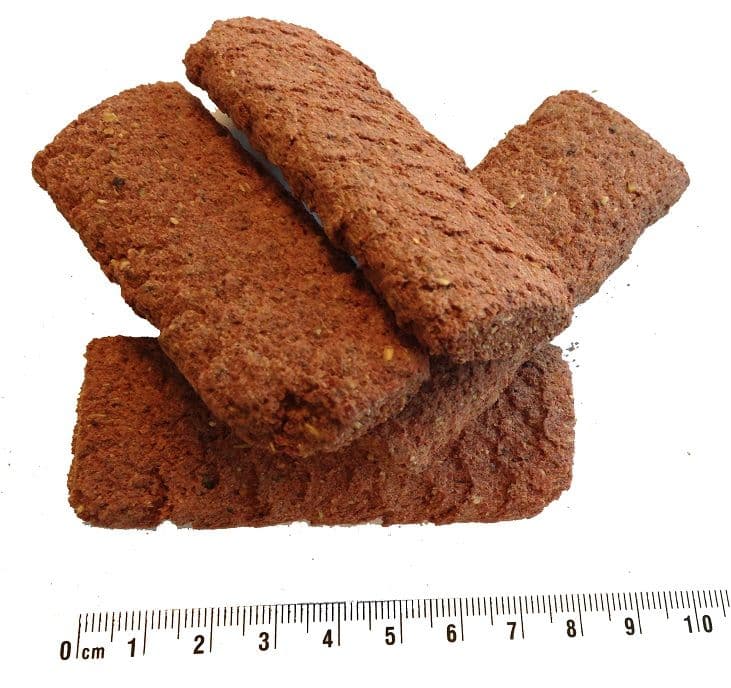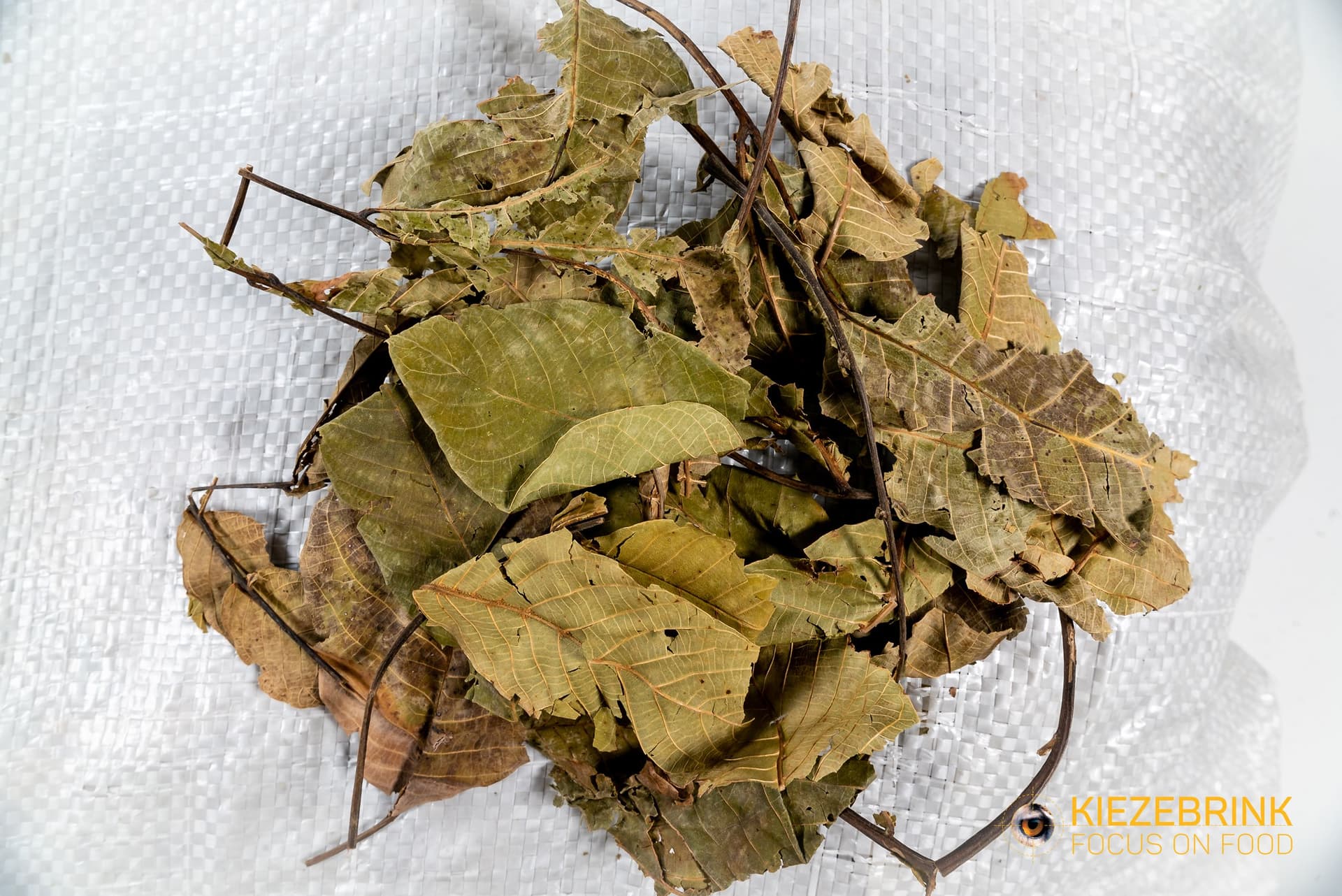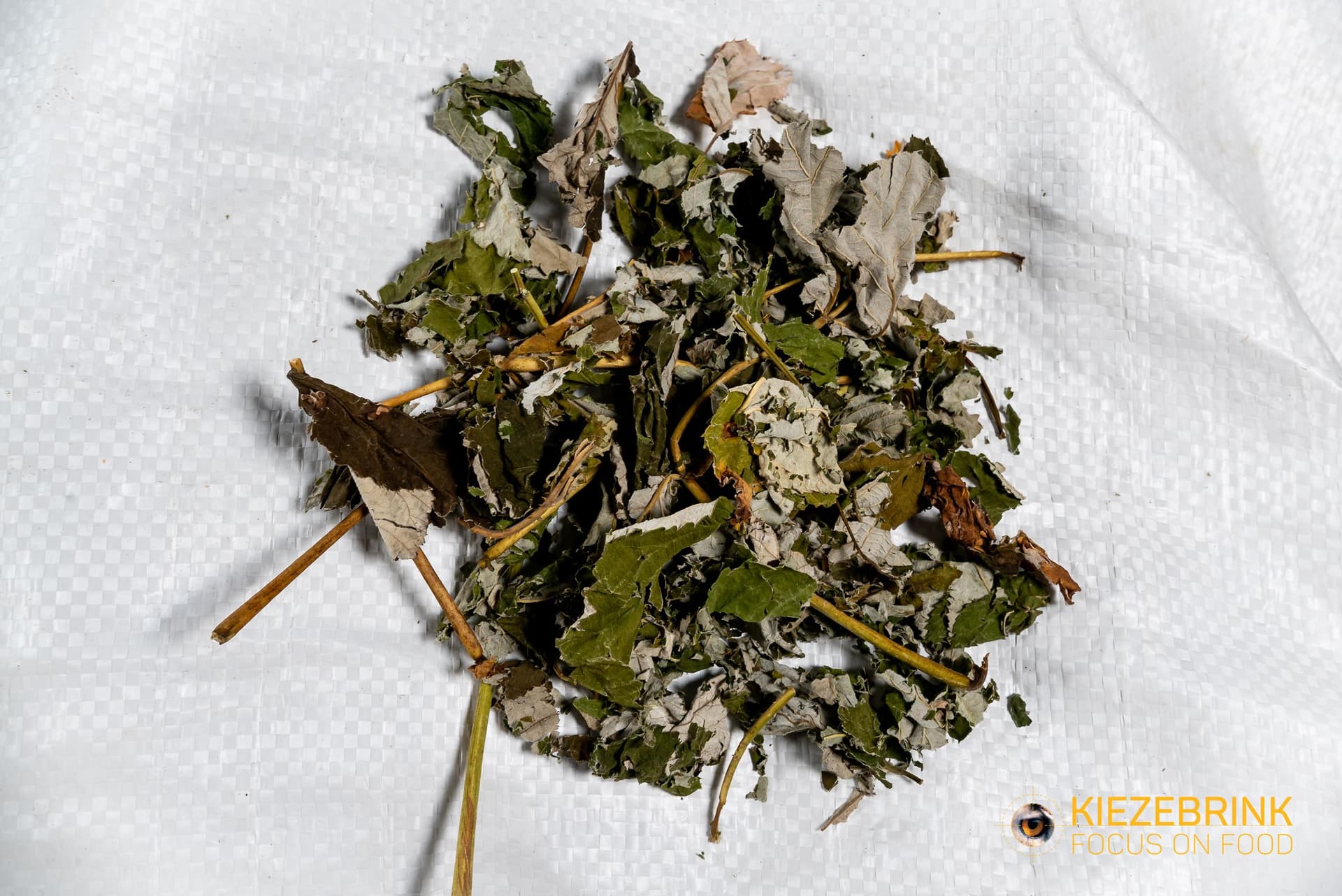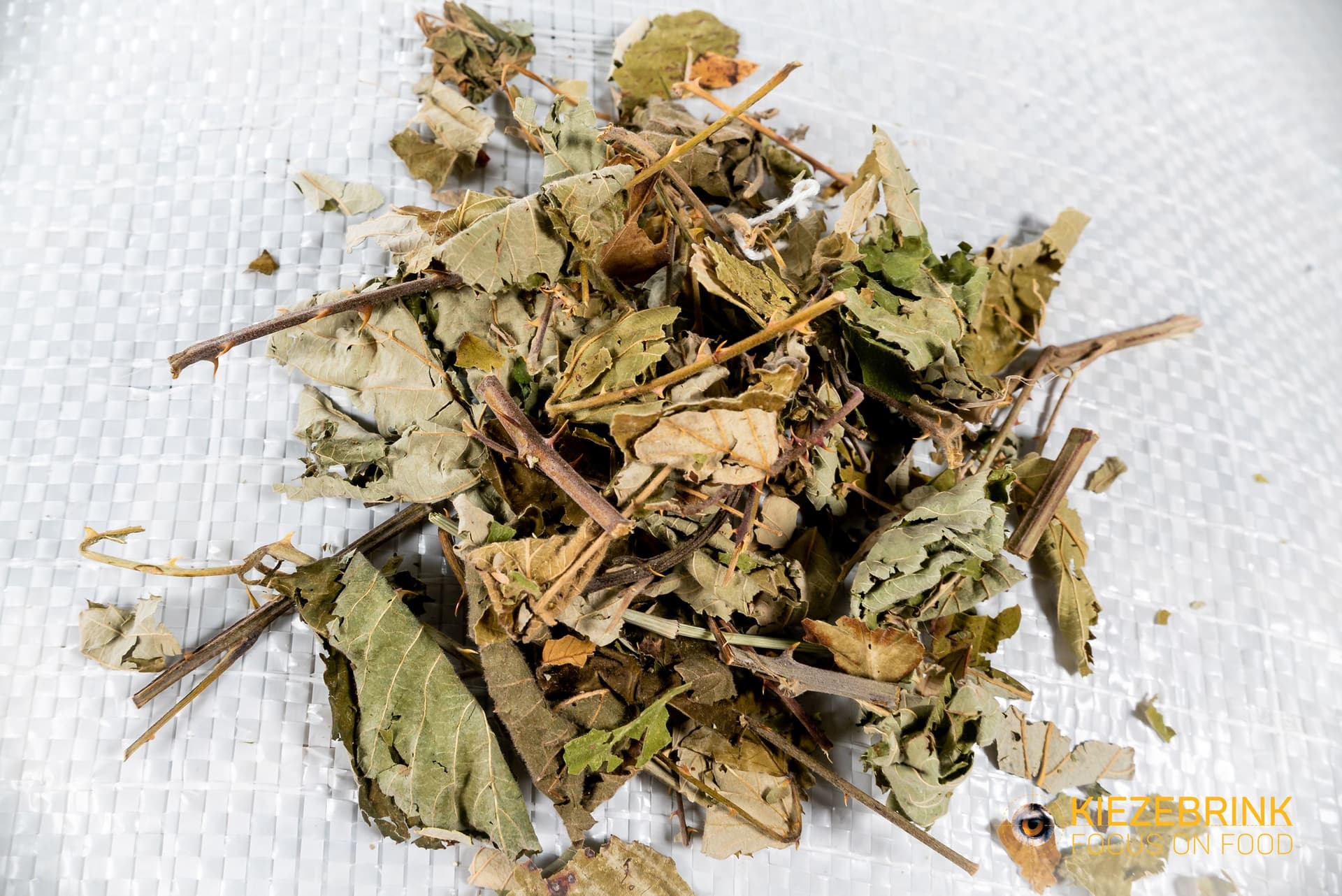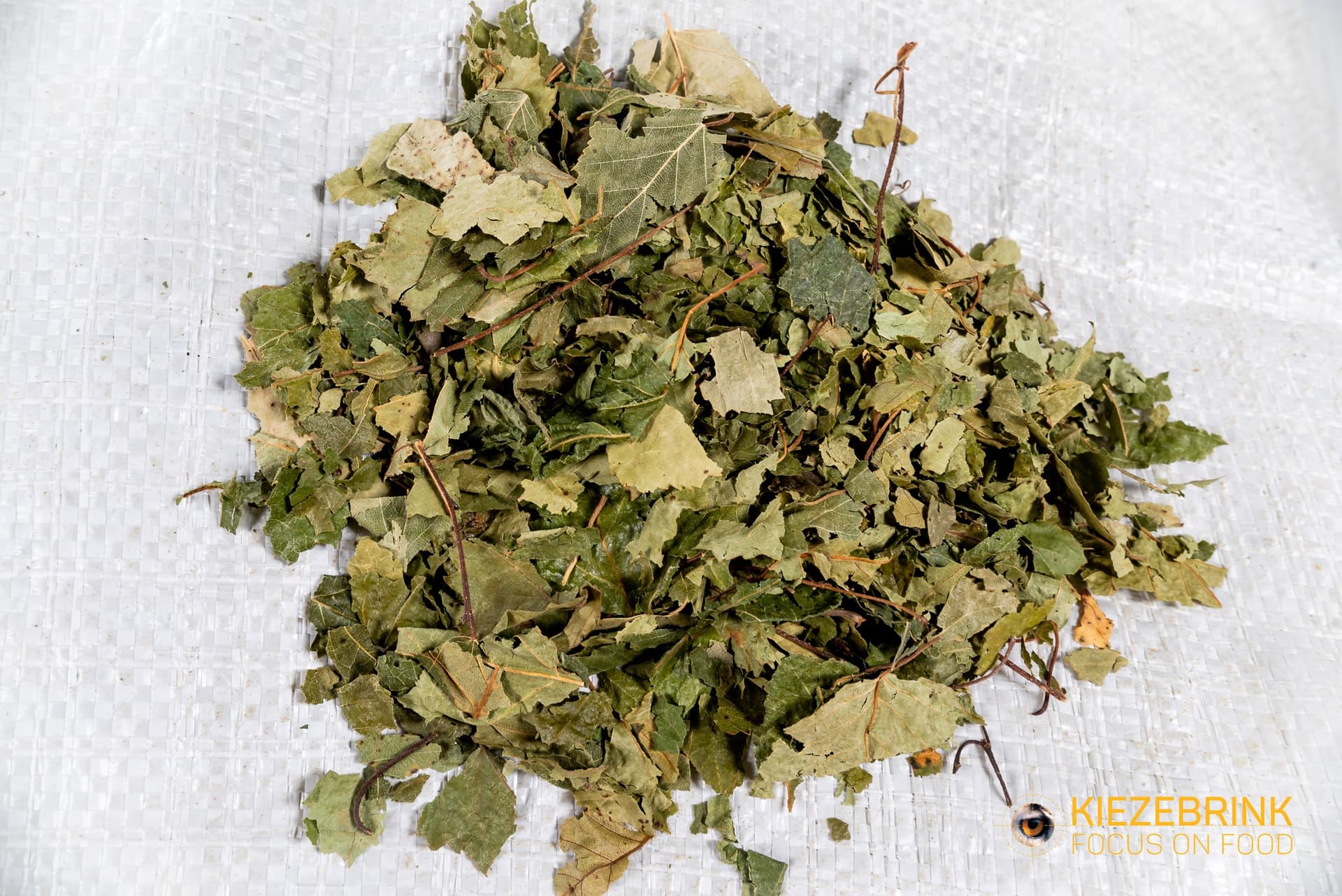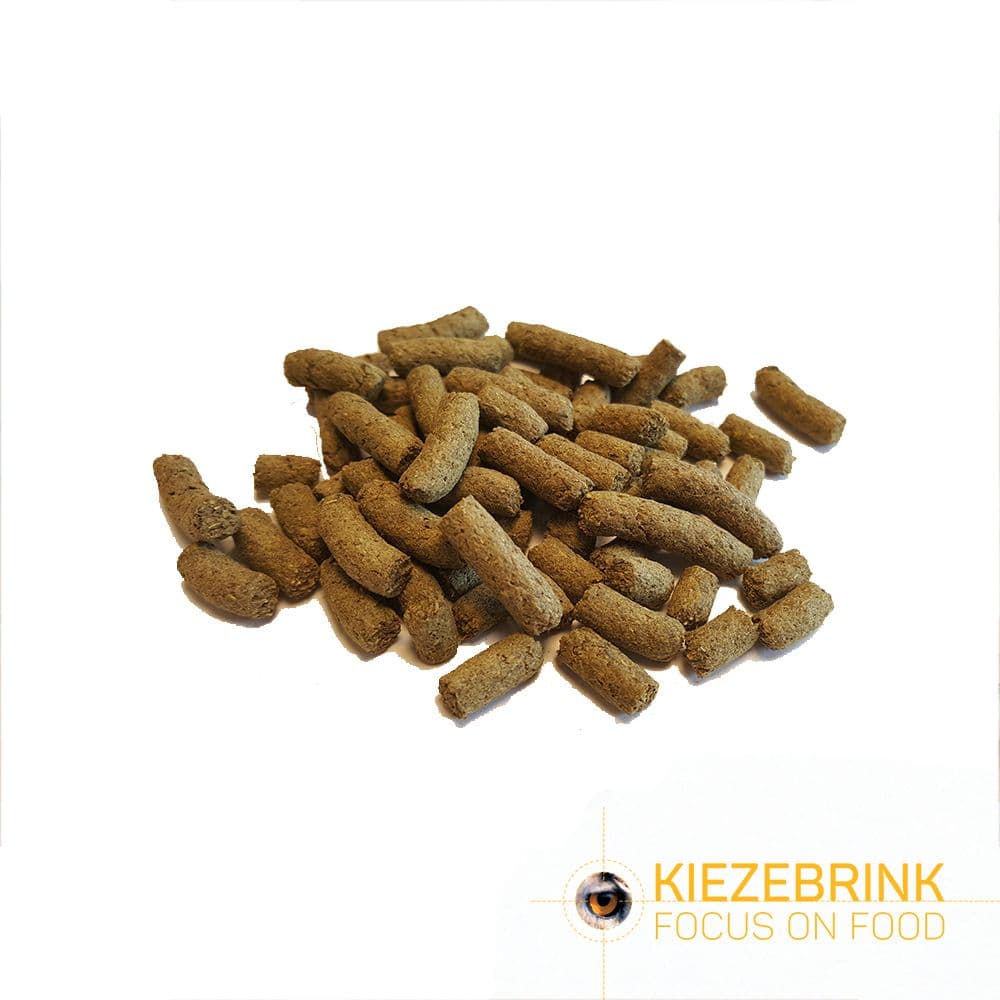
DK Leaf-eater BasicDK038
Success: Uit voorraad leverbaar
Meer informatieNatuurlijk dieet Two-toed Sloth
Two-toed sloths are herbivores that consume leaves from a wide variety of species, as well as occasionally fruits, flowers and stems. Sloths have the lowest basal metabolic rate (BMR) of any animal, which means that they require the lowest amount of calories relative to their body size.



5-7%
Als een dier 6 kg weegt en 6% van zijn lichaamsgewicht eet, krijgt het
6 x 0,06 = 0,36 kg voer in totaal per dag
10% Concentraten
50% Bladgroenten en kolen
20% Andere groenten
20% Blad- en takvoer
0,1 x 0,36 kg = 36 g concentraten
0,5 x 0,36 kg = 180 g bladgroenten en kolen
0,2 x 0,36 kg = 72 g andere groenten
0,2 x 0,36 kg = 72 g blad- en takvoer
5-7%
Als een dier 6 kg weegt en 6% van zijn lichaamsgewicht eet, krijgt het
6 x 0,06 = 0,36 kg voer in totaal per dag
10% Concentraten
50% Bladgroenten en kolen
20% Andere groenten
20% Blad- en takvoer
0,1 x 0,36 kg = 36 g concentraten
0,5 x 0,36 kg = 180 g bladgroenten en kolen
0,2 x 0,36 kg = 72 g andere groenten
0,2 x 0,36 kg = 72 g blad- en takvoer
Variety of vegetables
Variety of browse (willow, aspen, birch, rowan)
Calcium-rich products
Phosphorus-rich products
Vitamin D-rich products
Fruits
Starch-rich products
An unbalanced diet may result in one of these more commonly occurring diseases/conditions:
Variety of vegetables
Variety of browse (willow, aspen, birch, rowan)
Calcium-rich products
Phosphorus-rich products
Vitamin D-rich products
Fruits
Starch-rich products
An unbalanced diet may result in one of these more commonly occurring diseases/conditions: